

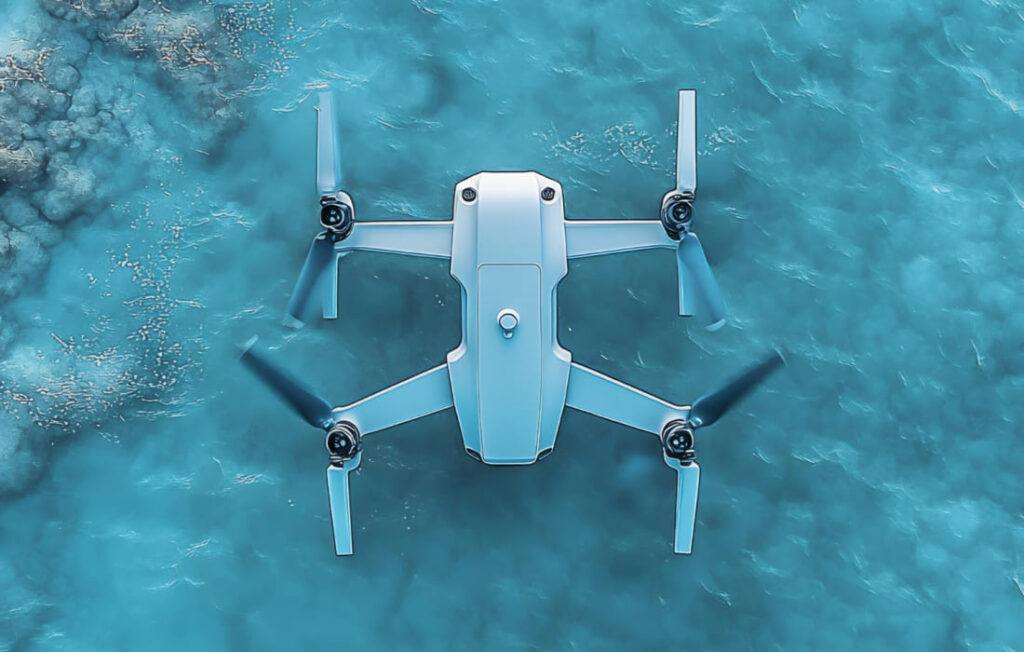
Russia and Ukraine are fighting the first full-scale drone war
For the first time in history, drones are not just a supporting tool — they are the backbone of modern warfare. The Russia-Ukraine conflict has become the world’s first full-scale drone war, and it’s reshaping how battles are fought, won, and lost.
When Russia launched its full-scale invasion of Ukraine in February 2022, few could have predicted that unmanned aerial vehicles (UAVs) would become the defining weapon of the conflict. Fast forward to 2025, and both sides are deploying tens of thousands of drones every month — from small commercial quadcopters to sophisticated military-grade strike aircraft — in a relentless battle for air superiority, reconnaissance, and tactical strikes.
This is no longer a war of tanks and artillery alone. It’s a war fought from the sky, controlled by joysticks and screens, where the pilot might be hundreds of kilometers away. Welcome to the first full-scale drone war.
The Scale of Drone Deployment
The numbers are staggering. According to Ukrainian defense officials, the country is losing over 10,000 drones per month — a rate of attrition that would have been unthinkable just a decade ago. Russia, meanwhile, is producing and importing drones at an industrial scale, with estimates suggesting they have deployed more than 50,000 UAVs since the war began.
“Never before have drones been used in such volume and with such intensity,” said Dr. James Patton, a defense analyst at the Royal United Services Institute (RUSI). “We’re talking about thousands of sorties per day, with drones performing every role imaginable — reconnaissance, artillery spotting, kamikaze strikes, electronic warfare, and even logistics.”
Both sides have established dedicated drone units within their armed forces. Ukraine’s “Army of Drones” initiative, launched in 2022, has crowdfunded and deployed thousands of UAVs, while Russia has created specialized drone assault companies that operate alongside traditional infantry units.
Types of Drones Being Used
The drone arsenal in this conflict is astonishingly diverse. Here’s a breakdown of the key platforms:
-
 Consumer/Commercial Drones: DJI Mavic, Autel Evo — used for reconnaissance, artillery spotting, and grenade dropping.
 -
 Tactical Military Drones: Bayraktar TB2, Orlan-10, Leleka-100 — used for surveillance, target acquisition, and precision strikes.
 -
 Kamikaze/Loitering Munitions: Lancet, Shahed-136, Switchblade — designed for one-way attacks against targets.
 -
 FPV Racing Drones: Custom-built racing drones — low-cost and fast, used for precision attacks.
 -
 Heavy Strike Drones: UJ-22, Tu-141 (modified) — used for long-range strikes against strategic targets.
 -
 Naval Drones: Magura V5, Sea Baby — used for maritime surface attacks and coastal defense.
How Drones Are Changing Battlefield Tactics
Drones have fundamentally altered the way both sides approach combat:
1. Reconnaissance is Constant
The battlefield is now transparent. With drones hovering overhead 24/7, hiding troops, vehicles, or artillery positions has become nearly impossible. Any movement is seen, tracked, and targeted within minutes.
2. Artillery Precision Has Skyrocketed
Drones act as real-time spotters for artillery, turning traditional “area bombardment” into “surgical strikes.” A drone spots a target, calculates GPS coordinates, relays them to artillery crews, and confirms the hit — all within 60 seconds.
3. The Rise of FPV Killer Drones
First-person view (FPV) racing drones, modified with explosive warheads, have become one of the most feared weapons on the battlefield. Flown by skilled operators, these cheap ($500–$1,000) drones can chase down infantry, vehicles, and even tanks with terrifying accuracy. In 2024 alone, FPV drones were responsible for an estimated 30–40% of all Russian armored vehicle losses.
4. Swarm Tactics Are Emerging
Both sides are experimenting with drone swarms — coordinating multiple UAVs to overwhelm enemy air defenses. While still in early stages, these swarms represent the future of drone warfare.
5. Logistics and Supply
Drones are now being used to resupply frontline troops with ammunition, food, and medical supplies. This is especially critical in areas where roads are impassable or too dangerous for ground convoys.
The Civilian Impact
While drones offer military advantages, they also bring devastating consequences for civilians. Both Russia and Ukraine have used drones to strike residential areas, power grids, and critical infrastructure.
Key civilian impacts include:
-
Civilian casualties: Kamikaze drones and missile strikes have killed thousands of Ukrainian civilians, with Russia’s Shahed-136 “Geran-2” drones being a primary threat.
-
Psychological warfare: The constant buzz of drones overhead has created a pervasive sense of fear and vulnerability. Some Ukrainian cities experience 20+ drone alerts per day.
-
Infrastructure damage: Drones have targeted power plants, water treatment facilities, and hospitals, causing widespread disruptions to daily life.
-
Displacement: Millions of Ukrainians have been displaced, with drone attacks making entire regions unlivable.
Ukrainian civil defense forces have trained civilians to recognize drone sounds, take cover, and report enemy UAVs using mobile apps like “ePPO” — a crowdsourced air defense platform.
“My children can identify a Shahed drone by sound before I can,” said Olena Kovalenko, a schoolteacher from Kyiv. “They’ve grown up in a world where the sky is never safe.”
Drone Countermeasures: The Electronic War
With drones dominating the skies, counter-drone technology has become a priority for both sides.
Electronic Warfare (EW) Systems:
Both Russia and Ukraine are using sophisticated jamming systems to disrupt drone signals. GPS spoofing, radio frequency jamming, and signal interception are now standard tactics. Some systems, like Ukraine’s “Pokrova” EW complex, can reportedly jam Russian drones within a 100km radius.
Anti-Drone Weapons:
-
Shahed hunters: Mobile teams with electronic rifles that can “hijack” enemy drones and force them to land.
-
Directed Energy Weapons: Laser and microwave systems designed to fry drone electronics from a distance.
-
Net guns and interceptor drones: Some units now use nets fired from shotguns or specialized drones to capture enemy UAVs intact for intelligence analysis.
AI-Powered Detection:
Both sides are deploying machine learning algorithms that can automatically identify drone signatures — including acoustic, visual, and RF (radio frequency) patterns — and alert operators within milliseconds.
The Global Implications
The Russia-Ukraine drone war is a wake-up call for militaries around the world. Here’s why:
-
Cost efficiency: Drones are dramatically cheaper than traditional weapon systems. A single $50,000 FPV drone can destroy a $5 million tank. This democratization of firepower changes the economics of war.
-
Asymmetric advantage: Smaller, less-equipped nations can now field drone forces that rival those of major powers. This could destabilize regions and increase conflict risk.
-
Autonomous weapons: While current drones are remotely operated, the push toward fully autonomous “killer drones” is accelerating. This raises profound ethical and legal questions.
-
Global arms race: Nations like China, Turkey, Iran, and the U.S. are all ramping up drone production and exports, creating a booming global arms market.
“What we’re seeing in Ukraine is a preview of every future war,” said Dr. Elena Marchand, a geopolitical analyst at the Brookings Institution. “Drones aren’t a niche technology anymore — they’re the backbone of modern warfare.”
What Comes Next?
As 2025 unfolds, the drone war is evolving. Experts predict:
-
AI-Driven Autonomy: Increased use of AI for targeting, navigation, and decision-making — reducing reliance on human pilots.
-
Larger Drone Swarms: Swarms of 50+ coordinated UAVs will become common, overwhelming traditional air defenses.
-
Counter-Drone Arms Race: New anti-drone technologies — including lasers, microwave weapons, and advanced EW — will be deployed at scale.
-
Drone-on-Drone Combat: Interceptor drones designed to engage and destroy enemy UAVs will become a dedicated battlefield role.
-
Regulatory Challenges: The UN and other bodies will face growing pressure to regulate lethal autonomous weapons before they become ubiquitous.
Dr. Patton sums it up: “We’re only at the beginning. The technology is evolving faster than doctrine, faster than policy, and faster than ethics. The drone war of 2025 is the blueprint for the conflicts of 2030 and beyond.”
The Human Cost
Behind the technology are real people. Ukrainian drone pilots, many of them volunteers with day jobs, have become national heroes. Russian drone operators, often seen as a technological elite, face the same psychological trauma of combat. And civilians live under the constant threat of a buzzing noise that could signal death.
In the end, the first full-scale drone war is a grim reminder: technology amplifies human conflict — it doesn’t end it