
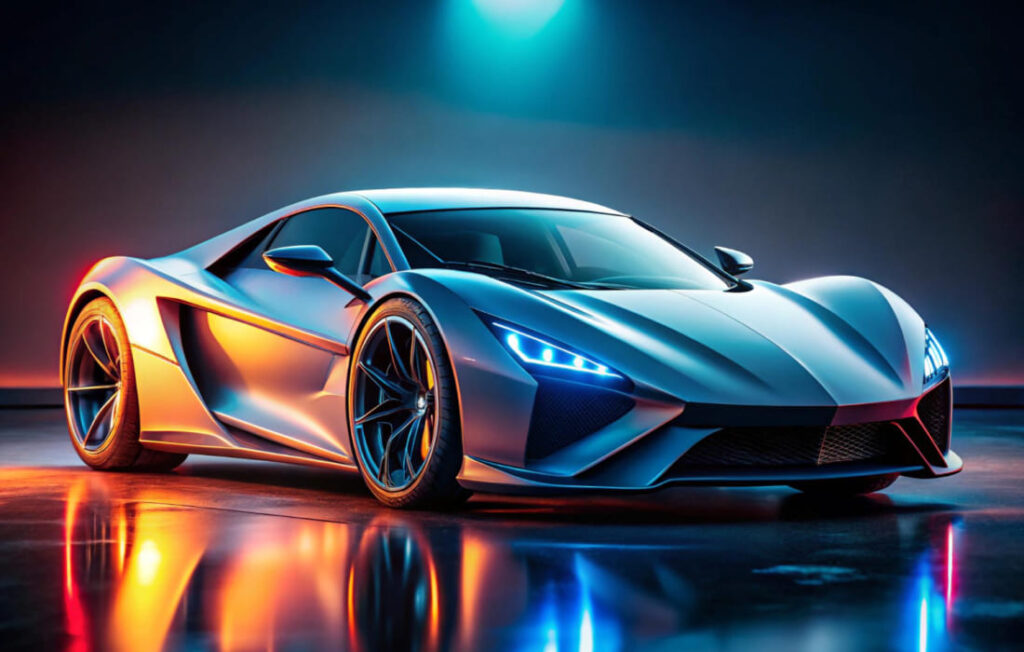
After years of concept teasers and prototype showcases, the world’s first production-ready solar-powered electric vehicle has officially rolled off the assembly line. Aptera Motors announced today that its three-wheeled, ultra-efficient solar EV — the Aptera Launch Edition — has entered full-scale production at its Carlsbad, California facility, marking a historic milestone in automotive and renewable energy history.
The vehicle is equipped with over 700 watts of integrated solar cells covering its hood, roof, and hatchback. Under optimal sunlight conditions, the car can generate enough energy to deliver up to 40 miles of free, emissions-free driving per day — eliminating the need for plug-in charging for most daily commutes. For longer trips, the 42 kWh battery pack provides a staggering 1,000 miles of range on a full charge, making it one of the longest-range EVs ever built.
“We’re not just building a car; we’re redefining the relationship between transportation and energy,” said Chris Anthony, co-CEO of Aptera Motors, during the production launch event. “This is the first time in history that a vehicle can truly ‘feed itself’ from the sun. We believe this is the beginning of the end for range anxiety.”
The Launch Edition features a lightweight carbon-fiber composite body, dual electric motors producing 150 horsepower, and a 0–60 mph time of just 4.0 seconds. The interior is minimalist but tech-forward, with a central touchscreen infotainment system, over-the-air update capabilities, and a glass canopy that floods the cabin with natural light.
Pre-orders for the Aptera Launch Edition opened in 2024, with over 40,000 reservations already placed. The base model starts at **$33,200**, though fully loaded versions can exceed $50,000. First customer deliveries are expected to begin in late 2025.
Industry analysts are already calling this a watershed moment. “If Aptera succeeds in scaling production and maintaining quality, it could force legacy automakers to accelerate their own solar-integration R&D,” said Rachel Kim, an automotive analyst at Global EV Insights. “This isn’t a gimmick — it’s a genuine leap forward.”
While challenges remain — including production ramp-up, regulatory approvals in various markets, and consumer education about solar charging — Aptera’s entry into production signals that solar-assisted mobility is no longer sci-fi. It’s here, it’s real, and it’s rolling off the line.
The Future of Wearable Tech: What’s Next?

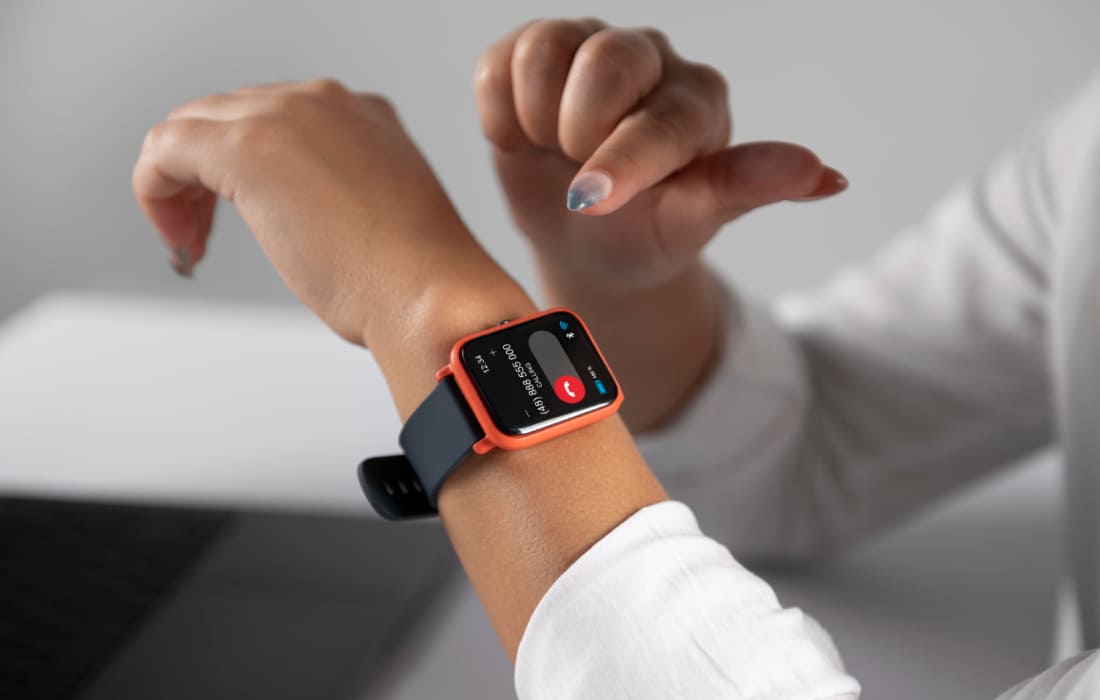
Wearable technology has come a long way from step-counting fitness bands. As we move deeper into 2025, the industry is shifting toward continuous health monitoring, AI-driven insights, and form-factor innovation that makes devices nearly invisible.
AI-Powered Health Predictions – Next-generation wearables from Apple, Google, and Samsung are integrating advanced machine learning algorithms that don’t just track heart rate and sleep — they predict potential health events. Recent patents suggest upcoming smartwatches could detect early signs of atrial fibrillation, hypertension, and even respiratory infections up to 48 hours before symptoms appear, by analyzing subtle changes in HRV (heart rate variability), skin temperature, and blood oxygen levels.
Smart Rings and Earbuds – The wearable market is expanding beyond wrists. Oura and Samsung have pioneered the smart ring category, offering discreet 24/7 tracking with week-long battery life. Meanwhile, companies like Sony and Bose are embedding biosensors into earbuds to monitor brain activity, stress levels, and even glucose levels through the ear canal — a highly vascularized area that provides rich physiological data.
Augmented Reality (AR) Glasses – After years of false starts, AR eyewear is finally gaining traction. Meta’s Orion project and Apple’s rumored “Apple Glass” are expected to debut within 12-18 months, offering heads-up displays, navigation overlays, and real-time translation — all without bulky headsets. Battery life and social acceptance remain hurdles, but the technology is now thin and light enough for everyday use.
Sustainable Wearables – A growing consumer demand for eco-friendly tech is pushing brands to use recycled materials, modular designs, and solar-assisted charging. The next frontier? Self-powered wearables that harvest energy from body heat and motion, eliminating batteries entirely.
Experts predict the global wearable market will exceed $200 billion by 2027, driven by healthcare integration and consumer appetite for proactive wellness. “We’re moving from reactive to predictive healthcare,” says Dr. Elena Torres, a digital health researcher at MIT. “Wearables are becoming our first line of defense — not just fitness accessories, but medical-grade diagnostic tools.”
What are the hidden features of the latest iPhone?
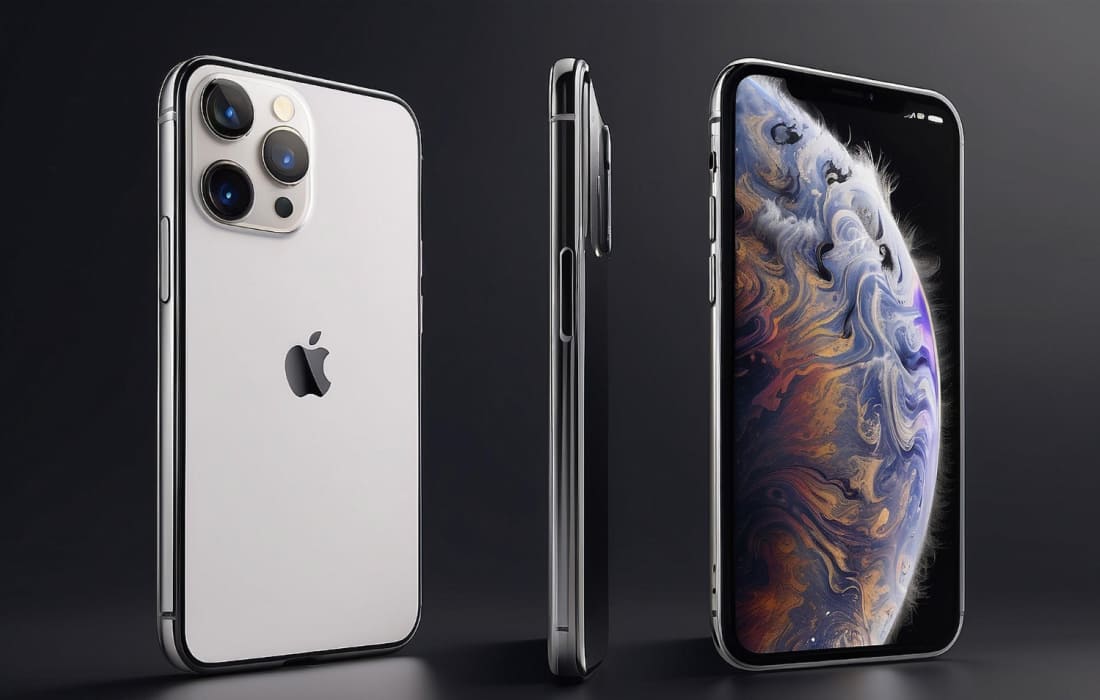
Apple’s latest iPhone 16 Pro and Pro Max are packed with features that go far beyond the headline upgrades — a faster chip, better cameras, and USB-C ports. But beneath the surface, iOS 18 unlocks several undocumented or under-publicized capabilities that can dramatically improve your daily experience. Here’s what you might have missed.
1. Enhanced Voice Isolation for ALL Calls – Apple introduced voice isolation for phone calls, but it’s not just for FaceTime anymore. During any cellular call, swipe down from the top-right to open Control Center, tap “Mic Mode,” and select “Voice Isolation.” Your voice will cut through background noise — perfect for busy streets or crowded cafes.
2. Offline Siri with On-Device AI – With the new A18 Pro chip’s neural engine, Siri can now process many commands entirely on-device without an internet connection. This includes setting timers, opening apps, controlling music, and even sending messages via dictation. It’s faster, more private, and works in airplane mode.
3. Hidden Level Indicator in Camera – The Camera app now includes a subtle crosshair level guide. Enable it by going to Settings → Camera → Composition → “Level.” When your phone is perfectly aligned horizontally or vertically, a yellow crosshair appears and turns into a solid line — ensuring your photos and videos are always straight.
4. Locked Apps with Face ID – You can now require Face ID to open individual apps. Long-press any app icon, tap “Require Face ID,” and the app will be hidden from the app switcher previews and require biometric authentication every time you open it. This is a game-changer for banking, messaging, and notes apps.
5. Real-Time Voicemail Transcripts – When someone leaves a voicemail, iOS 18 transcribes it live as they speak, right on your lock screen. You can even pick up the call mid-message if it’s urgent — something Apple didn’t emphasize in their keynote.
6. 80% Charging Limit – To extend your battery’s lifespan, the iPhone 16 now lets you set a hard charging limit of 80%. Go to Settings → Battery → Charging → “80% Limit.” This reduces battery wear over time, particularly useful for users who wirelessly charge overnight.
7. Hidden Search Within Photos – Photos app now allows text search within screenshots and images that contain text. Just type a word or phrase that appears in any photo, and iOS will find it — even if the image is a scanned document, whiteboard, or menu.

These hidden gems show that Apple is focusing just as much on software intelligence as hardware innovation. Take 10 minutes to explore these settings — you’ll find your iPhone feels brand new all over again.
How to protect your privacy on mobile apps?
Summary: How to Protect Your Privacy on Mobile Apps
The article explains 8 practical ways to improve privacy and security on mobile apps:
-
Review app permissions regularly – Only allow apps to access location, camera, microphone, contacts, and photos when necessary.
-
Use privacy-friendly sign-ins – Use Sign in with Apple or email-masking services to avoid sharing your real email address.
-
Disable ad tracking – Turn off personalized tracking on iOS and Android to reduce targeted advertising.
-
Limit background activity – Disable unnecessary background app refresh or background data to reduce data collection and save battery.
-
Use a VPN on public Wi-Fi – A reputable VPN can encrypt your internet traffic on networks in places like airports, hotels, and cafés.
-
Check privacy information before installing apps – Review Apple’s Privacy Labels or Google’s Data Safety information and avoid apps requesting unnecessary data.
-
Use strong passwords and 2FA – Use a password manager to create unique passwords and enable two-factor authentication, preferably through an authenticator app.
-
Clear cached data regularly – Remove unnecessary cached information and offload or delete unused apps to reduce stored data.
Overall: Taking a few minutes each month to review permissions, tracking, passwords, and app data can significantly reduce your digital footprint and give you greater control over your personal information.
What Are the Most Anticipated Game Releases This Year?
Summary: Most Anticipated Game Releases of 2025
The article discusses some of the most highly anticipated video games of 2025 across PC, PlayStation, Xbox, and Nintendo. Major releases include 🎮 Grand Theft Auto VI, featuring a new setting and dual protagonists; 🎮 The Elder Scrolls VI, offering a large fantasy world; and 🎮 Marvel’s Wolverine, with darker combat and an open-world experience.
Other exciting titles include 🎮 Fable Reboot, 🎮 Metroid Prime 4: Beyond, and 🎮 Hollow Knight: Silksong, which have generated strong excitement among fans. 🎮 Death Stranding 2: On the Beach will continue Hideo Kojima’s cinematic adventure, while 🎮 Star Wars: Eclipse will explore the High Republic era with branching stories.
The list also includes 🎮 Hades II, which expands the successful roguelike series, 🎮 Call of Duty 2025 with new multiplayer and Zombies features, and 🎮 Ghost of Tsushima 2 (Legends of the Kami) as a highly anticipated sequel. Overall, 2025 is expected to be a major year for gaming, with many exciting sequels, reboots, and new experiences.